Opening a jar, carrying shopping, holding a handrail or turning a key can feel harder than it used to. Grip strength is part of everyday life, yet it is easy to overlook until simple tasks take more effort. The good news is that hands and forearms often respond well to gentle, regular practice. This guide looks at what the evidence suggests, with practical home-friendly ideas and sensible cautions. What grip strength benefits really mean Researchers often use grip strength as a simple marker of overall muscle function because it is easy to measure and reflects how well the hands and forearms work together. In studies of adults, stronger grip tends to sit alongside better mobility and an easier time with daily activities. That does not mean a hand exerciser can guarantee any particular health outcome. It does suggest that keeping the hands active is a worthwhile part of a balanced routine , alongside walking, leg strength and balance practice. Many people find the most noticeable ch...
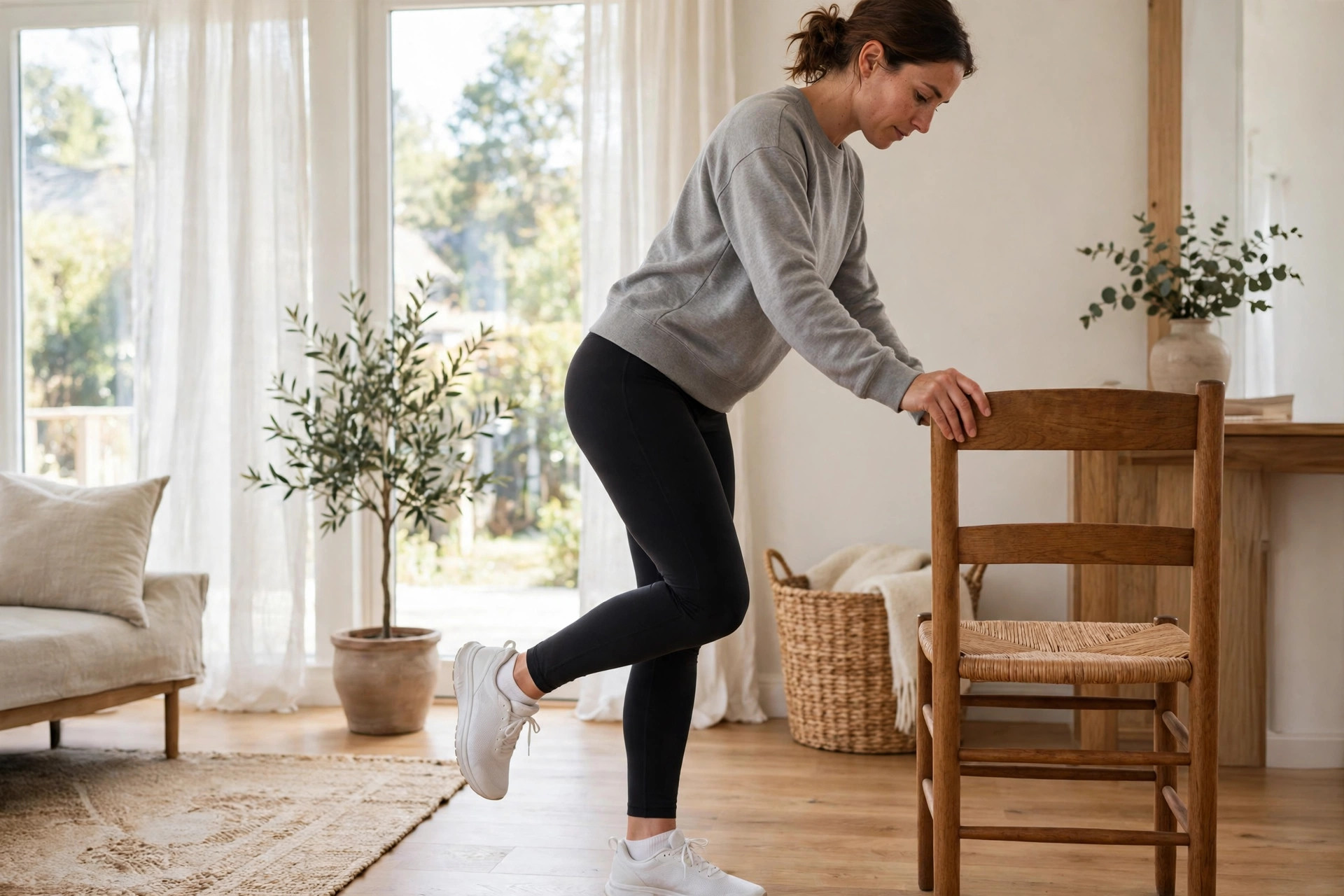
If your hips feel stiff after a long sit, you are not alone. The hips help you walk, climb stairs, stand up from a chair and turn comfortably, yet many of us spend much of the day sitting still. This guide looks at hip mobility benefits in a balanced way: what gentle movement may support, what the evidence suggests, and where sensible caution matters. It is general wellness information, not medical advice.
Why hip mobility matters for everyday movement
The hip is a ball-and-socket joint designed to move in several directions: forwards, backwards, out to the side and in rotation. When that range is used less often, surrounding muscles can feel tight and movement may feel less smooth, especially after sitting.
Good mobility is not about extreme flexibility. For most people, the goal is comfortable, controlled movement that supports walking, balance and getting up and down with confidence. Small, regular movement often matters more than an occasional long session, because stiffness can return quickly when we sit for long stretches.
What the evidence suggests about hip mobility benefits
Research on older adults links restricted hip movement with slower walking and greater difficulty with functional tasks, while programmes combining mobility and strengthening exercises are associated with improvements in gait, balance and functional movement for some participants. That does not mean hip exercises prevent falls or treat joint conditions, and results vary from person to person.
Mobility and strength work together
Experts often make a helpful distinction: mobility is about available range of motion, while strength is about controlling that range. Gentle range-of-motion drills may help you explore movement, and light strengthening moves such as bridges or clamshells may help support it. Many people find a short routine of five to ten minutes, most days, easier to keep up than one long weekly session.
Gentle hip mobility exercises to try at home
Start slowly, hold a chair or wall for support, and stop if you feel sharp pain. A brief walk or gentle warm-up first can make movement feel easier.
- Hip circles: standing with support, draw slow, controlled circles with one knee, then change direction. Keep the movement small and comfortable.
- Supported leg swings: holding a chair, swing one leg gently forwards and backwards, staying within an easy range.
- Seated figure-four stretch: sitting tall, cross one ankle over the opposite knee and lean forwards slightly until you feel a gentle stretch.
- Glute bridges: lying on your back with knees bent, lift your hips slowly, pause briefly, then lower with control.
Try a few repetitions on each side, breathe steadily, and favour consistency over intensity. If a move feels awkward, a smaller version is a sensible place to begin.
Sensible cautions and when to seek advice
Gentle movement should not hurt. Avoid forcing a stretch, bouncing, or pushing through pain, numbness or dizziness. People with recent surgery, a hip replacement, persistent hip or groin pain, or a history of falls should check with a qualified health professional before starting a new routine. This article cannot diagnose or treat any condition; it simply offers general ideas that many people use as part of a healthy, active lifestyle.
With regular walking and breaks from sitting, brief hip mobility practice may help movement feel more comfortable over time.
Related reading on Organic Health Fix
- Heel Raises Benefits: What the Evidence Really Says
- Stair Climbing Benefits: What the Evidence Really Says
- Posture Exercises Benefits: What the Evidence Really Says
Tags: #HipMobility #GentleExercise #WellnessTips #HealthyHabits #Mobility #Balance #NaturalRemedies
Comments
Post a Comment