Opening a jar, carrying shopping, holding a handrail or turning a key can feel harder than it used to. Grip strength is part of everyday life, yet it is easy to overlook until simple tasks take more effort. The good news is that hands and forearms often respond well to gentle, regular practice. This guide looks at what the evidence suggests, with practical home-friendly ideas and sensible cautions. What grip strength benefits really mean Researchers often use grip strength as a simple marker of overall muscle function because it is easy to measure and reflects how well the hands and forearms work together. In studies of adults, stronger grip tends to sit alongside better mobility and an easier time with daily activities. That does not mean a hand exerciser can guarantee any particular health outcome. It does suggest that keeping the hands active is a worthwhile part of a balanced routine , alongside walking, leg strength and balance practice. Many people find the most noticeable ch...
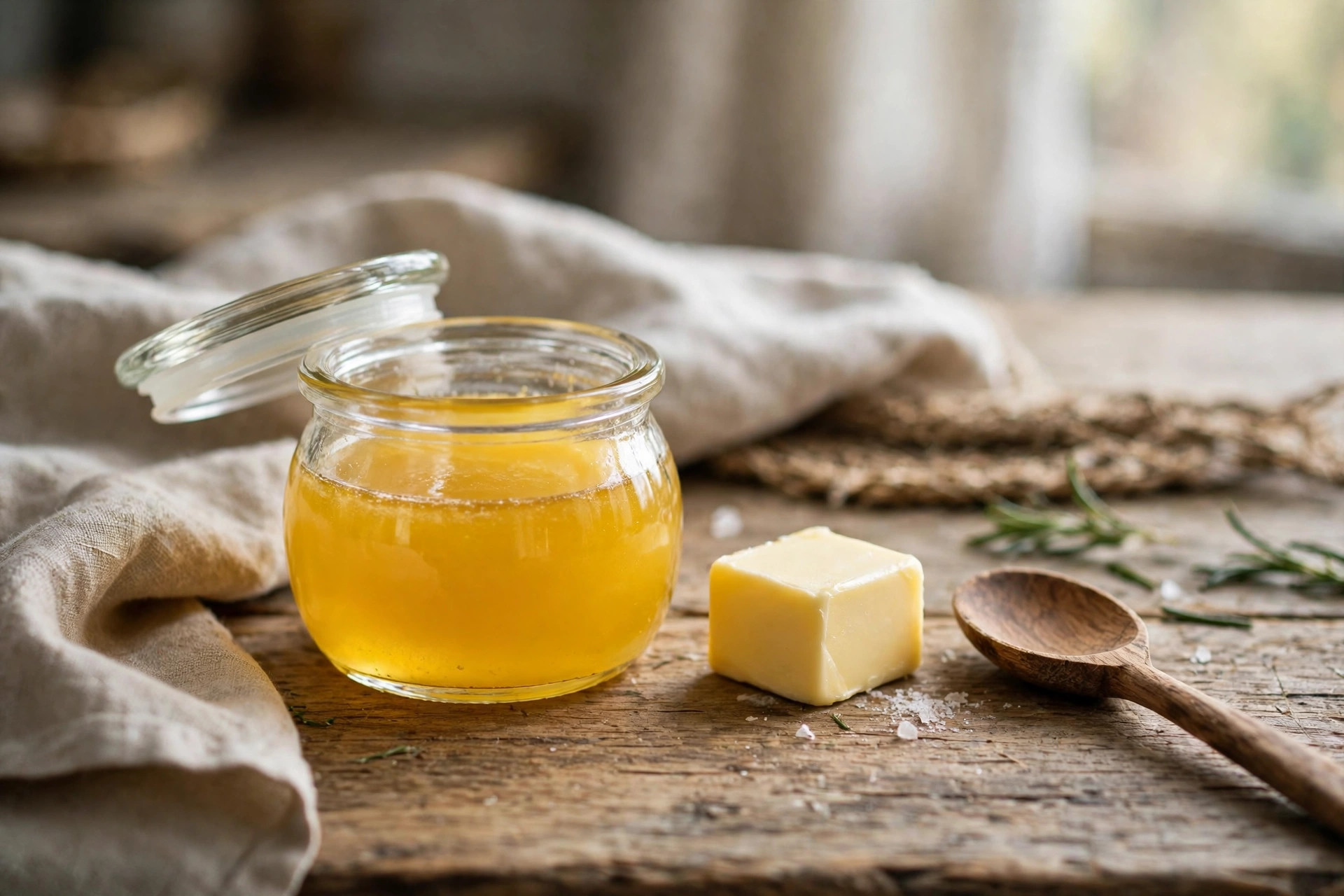
Ghee has moved from Indian grocers into everyday kitchens around the world. This golden fat has a long history in South Asian cooking and Ayurvedic tradition, and behaves very differently from butter in a hot pan. But is it actually good for you? Here is what ghee is, what it contains, and what the evidence really says.
What Is Ghee, Exactly?
Ghee is a type of clarified butter, made by gently heating butter until the water evaporates and the milk solids separate, then straining them away. What remains is almost pure butterfat — around 99.5% fat — with only a trace of lactose and casein.
Ghee is simmered a little longer than plain clarified butter, which browns the milk solids before they are strained out. That gives ghee its toasted, nutty flavour and deep golden colour. Because the milk solids are gone, ghee keeps well at room temperature and lasts far longer than butter.
Ghee Nutrition at a Glance
One tablespoon of ghee (about 14 grams) provides roughly 112 to 123 calories and around 14 grams of fat, most of it saturated, with about 4 grams of monounsaturated fat. It also supplies vitamin A — about 13% of the daily value per tablespoon — plus small amounts of vitamins E and K.
Ghee is also a source of butyric acid, a short-chain fatty acid that the cells lining the colon use as fuel, and of conjugated linoleic acid (CLA), a type of fat studied for its possible role in body composition. Amounts in a normal serving are modest, so think of ghee as a cooking fat, not a supplement.
What the Evidence Says About Ghee Benefits
Many people find ghee gentler on digestion than butter, likely because of the trace lactose and casein. That said, ghee is still a dairy product, so anyone with a milk allergy should treat it with the same caution as any other dairy food.
Ghee and Heart Health
The heart-health picture is mixed. Ghee contains omega-3 fatty acids in small amounts, and in a small trial of 63 healthy young adults, ghee raised HDL ("good") cholesterol along with total cholesterol, so their ratio stayed steady. But ghee is high in saturated fat, and the wider evidence does not support calling it healthier than butter for the heart. In small amounts within a balanced diet, it is unlikely to be a problem for most people.
Ghee, Gut Health and Butyrate
Ghee is often praised for gut health because it contains butyrate, which supports the cells of the colon lining. Plausible, but worth perspective: ghee is only about 1% butyrate, and no trial has tested eating ghee specifically for gut health. The body also makes its own butyrate when gut bacteria ferment fibre from foods such as beans, oats and vegetables.
Ghee in the Kitchen: Simple Ways to Use It
Where ghee genuinely shines is in cooking. Its smoke point is around 250°C (485°F), far higher than butter's 175°C (350°F), so it suits frying, roasting and tempering spices without burning. A teaspoon over steamed vegetables, in lentils or rice, or for frying eggs adds rich, nutty depth.
A practical tip: measure it — a teaspoon or two is usually plenty. Store it in a cool cupboard away from light, and it will keep for weeks without refrigeration.
Cautions Worth Knowing
Ghee is calorie-dense, so generous daily use can quietly add up, especially for anyone watching their weight. Anyone on blood-thinning medication or managing cholesterol should check with their clinician first. And while Ayurvedic tradition uses ghee on the skin for minor burns and dryness, that is traditional use rather than proven treatment.
Used sparingly, ghee is a lovely traditional ingredient — a useful high-heat cooking fat with a little vitamin A, not a health tonic.
Related reading on Organic Health Fix
- Pistachios Benefits: What the Evidence Really Says
- Beetroot Benefits: What the Evidence Really Says
- Pomegranate Benefits: What the Evidence Really Says
Tags: #Ghee #GheeBenefits #ClarifiedButter #HealthyFats #Ayurveda #Nutrition #WellnessTips #NaturalRemedies
Comments
Post a Comment