Opening a jar, carrying shopping, holding a handrail or turning a key can feel harder than it used to. Grip strength is part of everyday life, yet it is easy to overlook until simple tasks take more effort. The good news is that hands and forearms often respond well to gentle, regular practice. This guide looks at what the evidence suggests, with practical home-friendly ideas and sensible cautions. What grip strength benefits really mean Researchers often use grip strength as a simple marker of overall muscle function because it is easy to measure and reflects how well the hands and forearms work together. In studies of adults, stronger grip tends to sit alongside better mobility and an easier time with daily activities. That does not mean a hand exerciser can guarantee any particular health outcome. It does suggest that keeping the hands active is a worthwhile part of a balanced routine , alongside walking, leg strength and balance practice. Many people find the most noticeable ch...
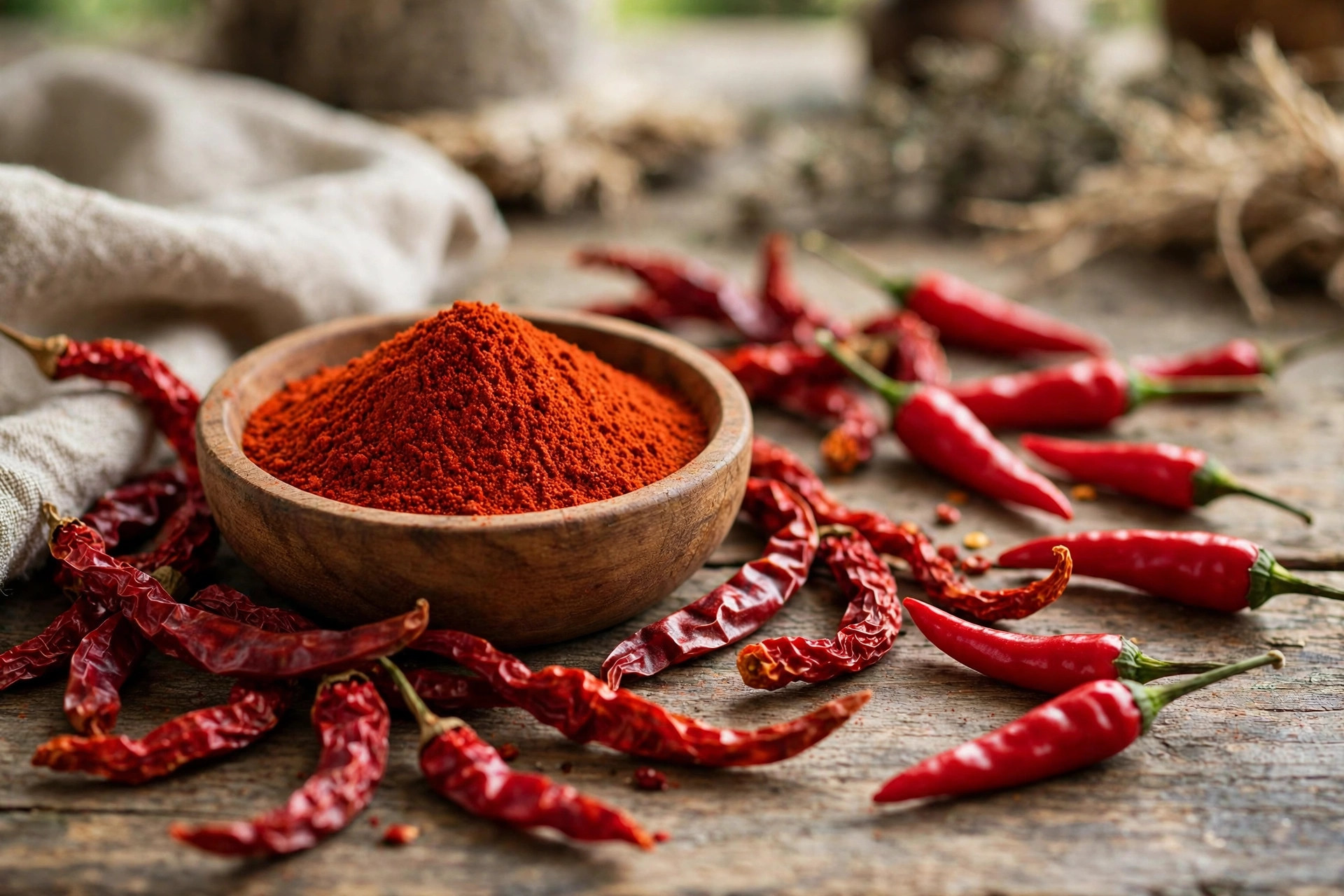
Cayenne pepper is one of those kitchen staples that earns its place twice over: it wakes up a dish with gentle heat, and it has been used in traditional home cooking for centuries as a warming spice. But what does the research actually say? The answer is encouraging yet modest — cayenne can be a useful part of a healthy diet, but it is no miracle ingredient.
What Is Cayenne Pepper — and What Is Capsaicin?
Cayenne pepper is made from dried Capsicum annuum chillies, the same plant family as bell peppers. Its fiery flavour comes from capsaicin, the natural compound behind the heat in chillies. Capsaicin is also the compound researchers study most, because it is linked to most of cayenne's reported effects on metabolism, circulation and comfort. A little goes a long way: a pinch of the ground spice is usually enough to flavour a whole pot of soup.
Cayenne Pepper Nutrition: Small Spice, Useful Nutrients
Fresh chillies are surprisingly rich in vitamins. One raw red hot chilli pepper (about 45 g) provides roughly 72% of the daily value of vitamin C and 48% of vitamin A, along with vitamin B6, vitamin K, potassium, magnesium and plant compounds such as flavonoids and carotenoids. Ground cayenne powder is a different story: a teaspoon (2 g) has only about 6 calories and around 1.4 mg of vitamin C, because the serving is so small. The fresh pepper carries most of the nutrients, so use both where you can.
Cayenne Pepper and Metabolism: What the Evidence Really Says
Capsaicin can temporarily raise the body's metabolic rate and slightly increase energy expenditure after a meal. Studies have also linked regular chilli intake with modest support for blood sugar balance. But the effects are small and short-lived, and researchers are clear that cayenne is not a weight-loss solution on its own. It may help you feel satisfied after a meal, but it works best as part of a balanced diet, not as a shortcut.
Circulation, Digestion and Everyday Comfort
Diets rich in chilli peppers have been associated in population studies with cardiovascular benefits, and the gentle warmth many people feel after eating cayenne reflects its effect on blood flow. Traditionally, the spice has also been used to support digestion.
A gentle nudge for digestion
In small amounts, cayenne may stimulate digestive juices and help food feel less heavy. The fibre in fresh peppers also feeds a healthy gut microbiome. That said, heat is a matter of tolerance: what soothes one stomach can unsettle another, so start small and listen to your body.
Warmth and circulation
The warming sensation of capsaicin comes from its effect on blood vessels near the skin, which is why cayenne has long been a favourite in warming winter dishes and drinks. A pinch in hot chocolate or a spiced broth is a classic cold-weather comfort.
How to Use Cayenne Pepper at Home
Begin with a pinch — about an eighth of a teaspoon — and build up slowly. Stir it into soups, stews, roasted vegetables, scrambled eggs, salad dressings or a mug of hot chocolate. Store the powder in a small airtight jar away from heat and light, and replace it every six to twelve months so the flavour stays bright. Fresh chillies can be sliced into stir-fries or infused into olive oil for a gentle, warming drizzle.
Who Should Go Easy on Cayenne Pepper
Cayenne is not for everyone. People with acid reflux, heartburn or stomach ulcers may find it irritates their symptoms, and eating it on an empty stomach can cause discomfort. Avoid rubbing your eyes after handling fresh chillies, and wash your hands well. If you are pregnant, breastfeeding, or taking blood-thinning or blood-pressure medication, check with a clinician before using cayenne regularly in larger amounts.
Related reading on Organic Health Fix
- Paprika Benefits: What the Evidence Really Says
- Long Pepper Benefits: What the Evidence Really Says
- Ginger Benefits: What the Evidence Really Says
Tags: #CayennePepper #Capsaicin #NaturalRemedies #Metabolism #Spices #WellnessTips #HealthyEating #OrganicHealthFix
Comments
Post a Comment