Opening a jar, carrying shopping, holding a handrail or turning a key can feel harder than it used to. Grip strength is part of everyday life, yet it is easy to overlook until simple tasks take more effort. The good news is that hands and forearms often respond well to gentle, regular practice. This guide looks at what the evidence suggests, with practical home-friendly ideas and sensible cautions. What grip strength benefits really mean Researchers often use grip strength as a simple marker of overall muscle function because it is easy to measure and reflects how well the hands and forearms work together. In studies of adults, stronger grip tends to sit alongside better mobility and an easier time with daily activities. That does not mean a hand exerciser can guarantee any particular health outcome. It does suggest that keeping the hands active is a worthwhile part of a balanced routine , alongside walking, leg strength and balance practice. Many people find the most noticeable ch...
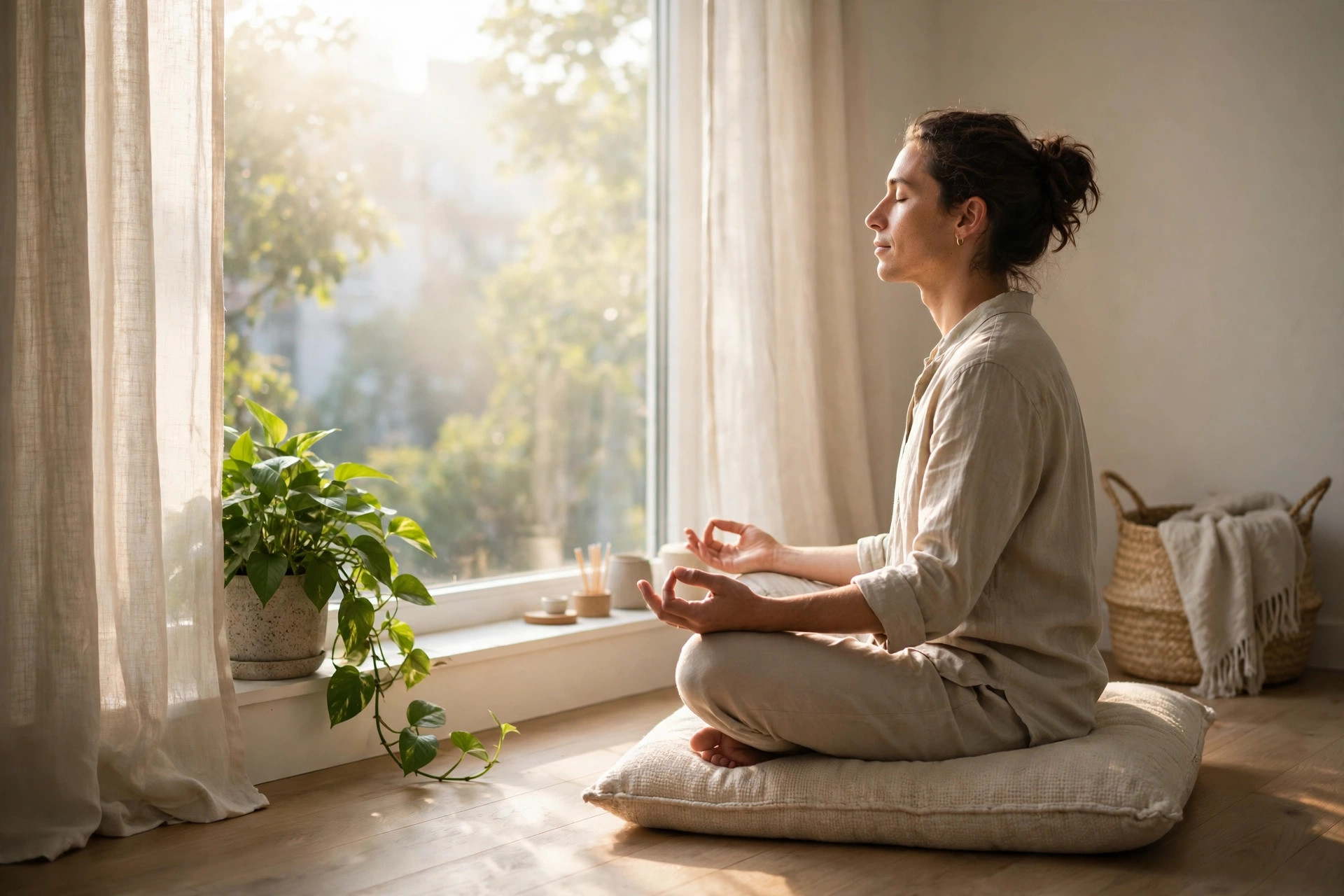
Meditation is one of the oldest wellness practices in the world, and one of the most studied. It is also one of the most oversold. Headlines promise a rewired brain and a calmer life in ten minutes a day, while the research tells a quieter, more useful story: meditation genuinely helps many people feel calmer and sleep better, and its physical effects are real but modest. This guide looks at what the evidence actually supports, where it runs thin, and how to begin gently.
What Meditation Is — and What It Is Not
Meditation is a family of practices, not a single technique. Mindfulness meditation means paying steady, non-judging attention to the breath, body or sounds around you. Other common forms include loving-kindness meditation, body-scan practice and Transcendental Meditation, which uses a silently repeated word or sound. Most research studies structured programmes lasting around eight weeks, such as mindfulness-based stress reduction (MBSR), rather than a single session — and that dose shapes the result. Meditation is best thought of as a skill that builds slowly, like walking regularly, rather than a quick fix.
Meditation Benefits for Stress, Anxiety and Low Mood
The strongest evidence for meditation sits squarely in mental health. A landmark 2014 meta-analysis in JAMA Internal Medicine, pooling 47 randomised trials, found that mindfulness programmes produced small-to-moderate improvements in anxiety, depression and pain. A larger 2013 meta-analysis of 209 studies and roughly 12,000 participants reached a similar conclusion, with moderate effects on anxiety, depression and stress in particular.
The picture is honest rather than glowing. The same reviews found that meditation was generally no better than other active treatments, such as exercise or established therapies, and that the benefit shrank when it was compared with an equally credible alternative rather than with doing nothing. In plain terms, meditation helps, but it is not uniquely powerful, and it is not a replacement for professional care when anxiety or low mood is severe or persistent.
One finding stands out for people who have recovered from depression: mindfulness-based cognitive therapy has been shown to reduce the risk of depressive relapse by around 43 per cent in people with recurrent depression. That is a practical, well-supported use, and a good reason to discuss it with a clinician if low mood keeps returning.
Sleep, Blood Pressure and Pain: The Moderate Case
The physical evidence is thinner, but still encouraging. A 2017 meta-analysis of 45 trials that compared meditation with an active control found lower cortisol, C-reactive protein, blood pressure and heart rate among meditators. For blood pressure specifically, a meta-analysis of mindfulness interventions reported average reductions of about 4.8 mmHg systolic and 1.9 mmHg diastolic — a small shift, yet meaningful as part of a wider healthy routine.
Sleep is promising but less settled. A randomised trial in older adults with moderate sleep difficulties found that mindfulness meditation improved sleep quality about as much as formal sleep hygiene education, and structured programmes for chronic insomnia have shown effects comparable to cognitive behavioural therapy in several trials. Many people find that a short evening practice eases the racing thoughts that keep them awake.
For chronic pain, mindfulness-based stress reduction has shown consistent benefits for quality of life in people living with long-term back pain, fibromyalgia, arthritis and headaches, largely by changing how pain is experienced rather than by removing it. Claims about immunity, telomeres and slower ageing, by contrast, rest on small, preliminary studies and should be treated as interesting rather than established.
A Gentle Way to Begin
You do not need special equipment, an app subscription or a silent retreat. A small daily habit, kept simple, is what the research actually tested.
A simple ten-minute routine
Pick a regular time. Many people find mornings easiest, but an evening wind-down works just as well. Sit comfortably on a chair or cushion with your back supported. Close your eyes or soften your gaze, and breathe naturally. Follow the breath — the rise and fall of the chest, or the air at the nostrils — and when your mind wanders, as it will, gently return your attention without scolding yourself. Start with five to ten minutes a day, and build towards twenty minutes over a few weeks if you enjoy it. It is normal for the mind to wander dozens of times in a single sitting; noticing the wandering and returning is the practice itself, not a failure of it.
Who Should Take Care
Meditation is gentle, but it is not for everyone in every form. People with a history of trauma sometimes find silent, inward-focused practice unsettling, and shorter guided sessions or movement-based practice may suit them better. If you take medicine for blood pressure, anxiety or depression, meditation should sit alongside your treatment, never instead of it. Anyone experiencing severe distress should seek professional support first. As with any wellness habit, the sensible rule is to start small, notice how you feel, and stop or adapt anything that makes you feel worse.
Related reading on Organic Health Fix
- Morning Sunlight for Better Sleep: What the Evidence Really Says
- Magnesium for Sleep: What the Evidence Really Says
- Walking Benefits: What the Evidence Really Says
Tags: #Meditation #Mindfulness #MeditationBenefits #StressRelief #BetterSleep #MentalWellbeing #NaturalRemedies #WellnessTips
Comments
Post a Comment