Opening a jar, carrying shopping, holding a handrail or turning a key can feel harder than it used to. Grip strength is part of everyday life, yet it is easy to overlook until simple tasks take more effort. The good news is that hands and forearms often respond well to gentle, regular practice. This guide looks at what the evidence suggests, with practical home-friendly ideas and sensible cautions. What grip strength benefits really mean Researchers often use grip strength as a simple marker of overall muscle function because it is easy to measure and reflects how well the hands and forearms work together. In studies of adults, stronger grip tends to sit alongside better mobility and an easier time with daily activities. That does not mean a hand exerciser can guarantee any particular health outcome. It does suggest that keeping the hands active is a worthwhile part of a balanced routine , alongside walking, leg strength and balance practice. Many people find the most noticeable ch...
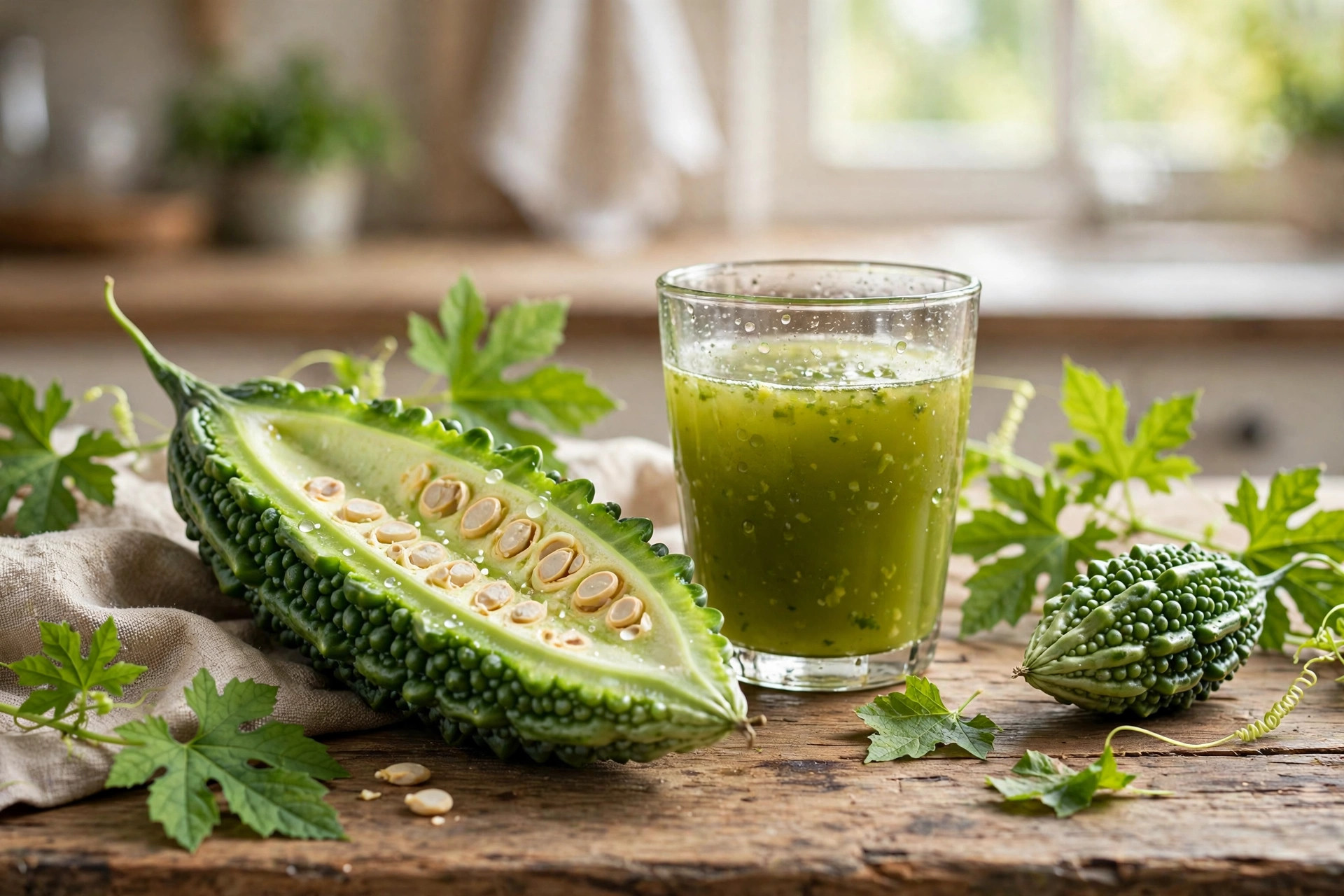
Bitter gourd, also known as bitter melon, is one of those vegetables people either love or avoid — and the reason is right there in the name. Its sharp, bitter taste puts many people off, yet it has been a staple of cooking and traditional wellness routines across Asia, Africa and the Caribbean for centuries. So what does the evidence actually say about bitter gourd benefits? Here is a calm, honest look.
What Is Bitter Gourd?
Bitter gourd (Momordica charantia) is a knobbly green fruit that is eaten as a vegetable, closely related to cucumber, squash and pumpkin. It is low in calories and rich in vitamin C — around 100 grams provides close to a full day's worth — along with fibre, vitamin A, folate, potassium and magnesium. It also contains plant compounds such as charantin and cucurbitane triterpenoids, which are the focus of much of the research into its effects.
Bitter Gourd Benefits: What the Research Suggests
Most of the interest in bitter gourd centres on blood sugar. Small human studies have found that taking around 2,000 mg of bitter melon daily was linked with lower blood sugar and HbA1c readings over several weeks, and laboratory work suggests its compounds may help the body use glucose more efficiently. That said, the evidence is still limited and larger, high-quality trials are needed — bitter gourd is a food, not a treatment, and it should never replace prescribed care.
Bitter Gourd for Digestion and Gut Health
With around 2 grams of fibre per 100 grams, bitter gourd supports regular digestion. Many people find it helps them feel comfortably full, which can make balanced eating a little easier. Its bitter compounds are also traditionally thought to stimulate digestion, though this is mostly traditional use rather than proven effect.
Nutrients and Antioxidants
Bitter gourd is a useful source of antioxidants, including catechin, gallic acid and chlorogenic acid, which help protect cells from everyday damage. Combined with its vitamin C and low calorie count, it is a genuinely nutritious addition to a varied diet — the kind of everyday vegetable that quietly earns its place on the plate.
How to Use Bitter Gourd at Home
If the bitterness puts you off, a few simple tricks help. Scoop out the seeds and pale pith, slice it thinly, sprinkle with salt and leave it for 20 minutes, then rinse and squeeze dry before cooking. Many people find it tastiest stir-fried with onion, garlic and spices, stuffed, or blended in small amounts into a vegetable juice with cucumber and lemon. Start with a small portion once or twice a week and see how you like it.
Who Should Be Careful with Bitter Gourd?
Bitter gourd is best avoided in pregnancy, and anyone taking blood-sugar-lowering medication should speak with a healthcare professional before eating it regularly or taking concentrated supplements, as the combination could push blood sugar too low. People with kidney concerns should also be cautious, as it contains oxalates. As with any strong-flavoured food, moderation and common sense are the best guides.
Bitter gourd will never be everyone's favourite vegetable, but its nutritional profile and the early research around it make it well worth trying. Used gently as part of a varied diet, it is a good example of how traditional foods can still have something useful to offer.
Related reading on Organic Health Fix
- Walking After Meals Benefits: What the Evidence Really Says
- Psyllium Benefits: What the Evidence Really Says
- Caraway Seeds Benefits: What the Evidence Really Says
Tags: #BitterGourd #BitterMelon #NaturalRemedies #WellnessTips #GutHealth #Nutrition #HealthyEating #OrganicHealthFix
Comments
Post a Comment