Opening a jar, carrying shopping, holding a handrail or turning a key can feel harder than it used to. Grip strength is part of everyday life, yet it is easy to overlook until simple tasks take more effort. The good news is that hands and forearms often respond well to gentle, regular practice. This guide looks at what the evidence suggests, with practical home-friendly ideas and sensible cautions. What grip strength benefits really mean Researchers often use grip strength as a simple marker of overall muscle function because it is easy to measure and reflects how well the hands and forearms work together. In studies of adults, stronger grip tends to sit alongside better mobility and an easier time with daily activities. That does not mean a hand exerciser can guarantee any particular health outcome. It does suggest that keeping the hands active is a worthwhile part of a balanced routine , alongside walking, leg strength and balance practice. Many people find the most noticeable ch...
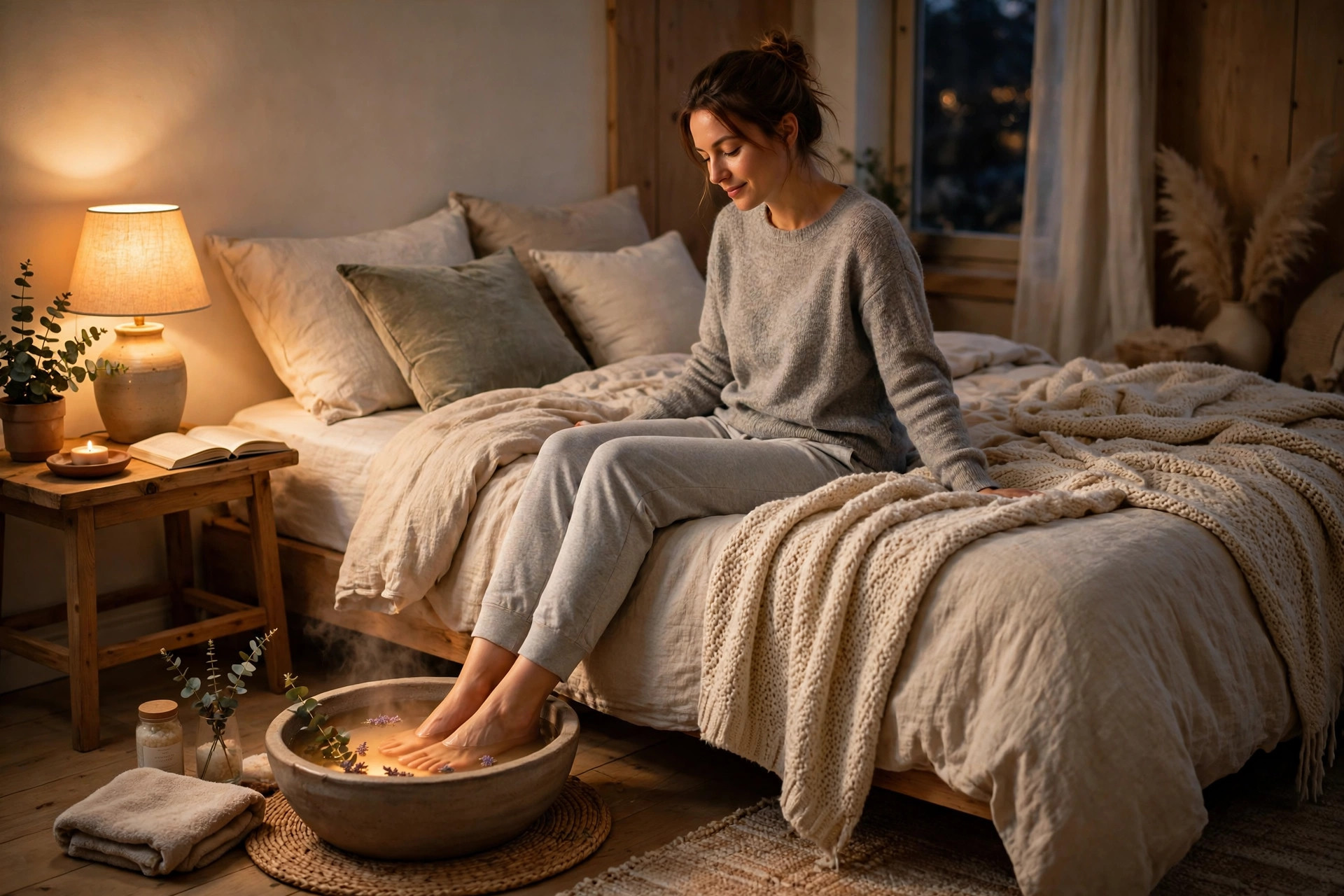
On a cold evening, few things feel more comforting than soaking tired feet in warm water. A warm foot bath is simple, inexpensive and easy to fit into a bedtime routine, which is why it is traditionally used in many homes to help people unwind. But does it genuinely support sleep, or does it simply feel pleasant? This guide looks at what the research suggests and how to try it sensibly at home. As ever, this is general wellness information, not medical advice.
What the evidence says about warm foot bath benefits
The strongest research so far focuses on older adults. A 2025 systematic review pooled 18 studies involving 950 people aged 60 and over and found that warm footbaths improved subjective sleep quality compared with no footbath. The clearest effects appeared with water at or below 40°C, soaking for at least 10 minutes, and repeating the routine for at least a week, ideally about an hour before bedtime.
Not every study agrees. One crossover trial using 40°C water for 20 minutes found warmer feet but no significant change in measured sleep. That mixed picture matters: a warm foot bath may help many people feel more relaxed and ready for sleep, but it is not a guaranteed fix, and evidence in younger adults is still limited.
Why warm feet may help you feel sleepy
Researchers think the effect may be linked to temperature. Warming the feet encourages blood flow to the skin, which helps the body release heat afterwards. A gentle fall in core temperature is one of the natural signals that sleep is approaching, so warming the feet and then letting them cool under the covers may support that transition. The ritual itself can also help: sitting quietly, dimming the lights and putting the phone aside all tell the mind that the day is ending.
How to try a warm foot bath at home
A simple 10-minute bedtime routine
Fill a clean basin with comfortably warm water, roughly 37 to 40°C — warm to the touch, never hot. Sit somewhere safe about an hour before bed and soak your feet for 10 to 20 minutes. You might read a few pages of a book or practise slow breathing while you soak. Afterwards, dry your feet thoroughly, put on clean warm socks if your bedroom is cool, and keep the lights low as you move towards bed. Try it for at least a week before judging whether it suits you.
Sensible cautions before you soak
Keep the water warm rather than hot to avoid scalding, and test it with your hand or a thermometer first. Take extra care, or seek professional advice first, if you have diabetes, reduced sensation in your feet, circulation problems, broken skin, or a foot infection. Stop if you feel dizzy or uncomfortable, and take care when standing up afterwards in case the floor is wet. A warm foot bath is a gentle comfort measure, not a treatment for insomnia. If poor sleep persists, discuss it with a qualified health professional.
For many people, the appeal of a warm foot bath is its simplicity: warm water, a quiet ten minutes, and a clear signal that it is time to rest. The evidence is promising, especially for older adults, while still leaving room for more research. If you enjoy it and it fits safely into your evening, it can be a cosy part of a wider sleep-friendly routine.
Related reading on Organic Health Fix
- Body Scan Meditation Benefits: What the Evidence Really Says
- Hops Benefits: What the Evidence Really Says
- Gratitude Benefits: What the Evidence Really Says
Tags: #WarmFootBath #SleepTips #NaturalRemedies #BedtimeRoutine #WellnessTips #HomeRemedies
Comments
Post a Comment