Opening a jar, carrying shopping, holding a handrail or turning a key can feel harder than it used to. Grip strength is part of everyday life, yet it is easy to overlook until simple tasks take more effort. The good news is that hands and forearms often respond well to gentle, regular practice. This guide looks at what the evidence suggests, with practical home-friendly ideas and sensible cautions. What grip strength benefits really mean Researchers often use grip strength as a simple marker of overall muscle function because it is easy to measure and reflects how well the hands and forearms work together. In studies of adults, stronger grip tends to sit alongside better mobility and an easier time with daily activities. That does not mean a hand exerciser can guarantee any particular health outcome. It does suggest that keeping the hands active is a worthwhile part of a balanced routine , alongside walking, leg strength and balance practice. Many people find the most noticeable ch...
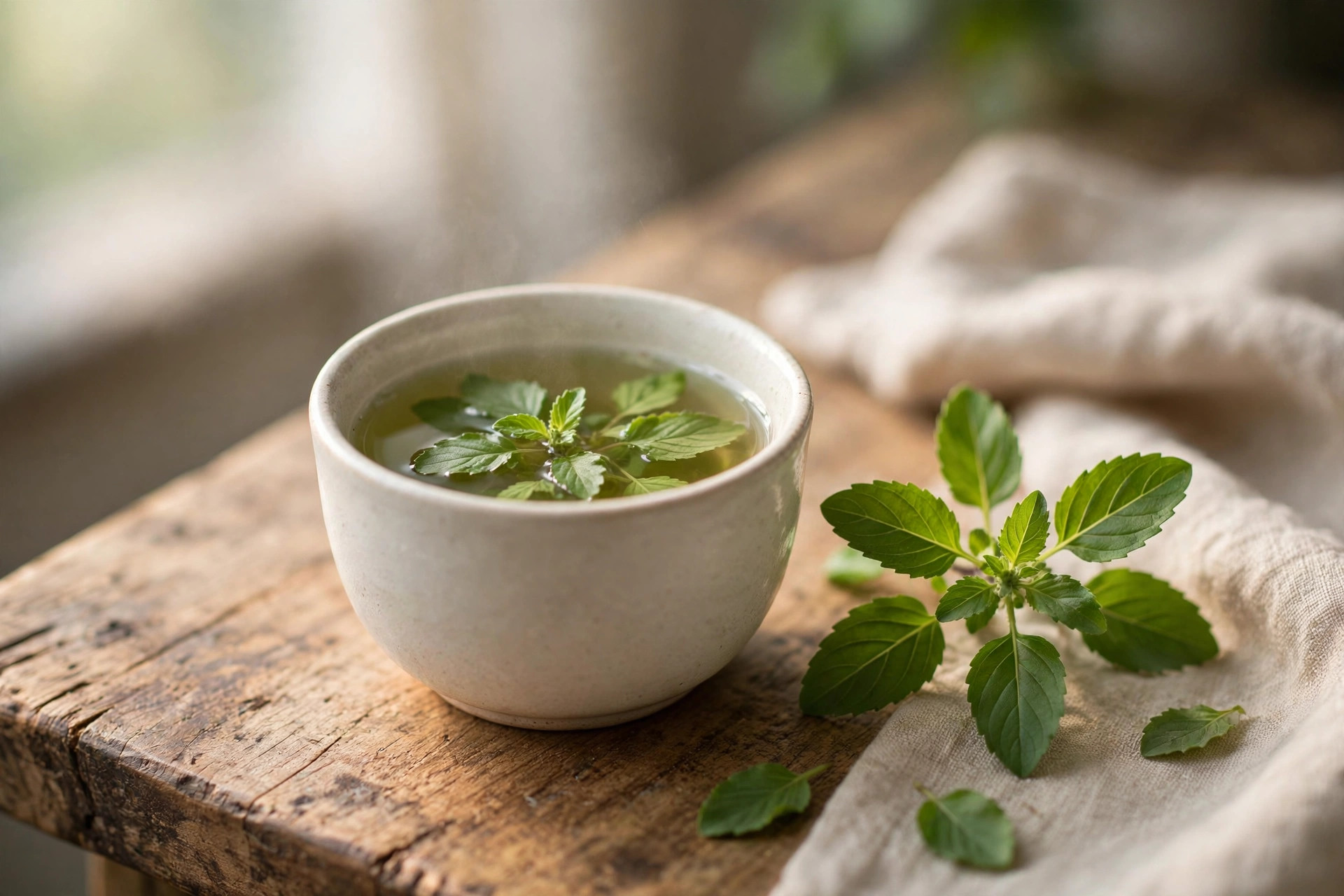
Tulsi, also known as holy basil, has been brewed as a calming tea in India for more than 3,000 years. In Ayurvedic tradition it is called the "queen of herbs", a daily tonic for balance and resilience. Modern research is now catching up — especially for stress and sleep.
What Is Tulsi?
Tulsi (Ocimum tenuiflorum) is an aromatic herb in the mint family, related to the sweet basil used in cooking but with a warmer, slightly peppery flavour. Its leaves contain fragrant compounds such as eugenol, ursolic acid and rosmarinic acid. Tulsi is classed as an adaptogen — a plant traditionally used to help the body adapt to everyday stress — and it is usually taken as a tea, a dried-leaf powder or a standardised extract.
Tulsi for Stress: What the Trials Show
Stress is where the human evidence for tulsi is strongest. A 2022 randomised, double-blind, placebo-controlled trial gave 100 stressed adults either 250 mg a day of a standardised tulsi extract or a placebo for eight weeks. Perceived stress fell by 37% on tulsi, against 19% on placebo, and the tulsi group also showed a smaller cortisol rise after a laboratory stress challenge. A 2017 systematic review pooled 24 human studies covering more than 1,100 people and reported favourable results across stress, metabolism and immunity, with no significant side effects recorded. Many studies were small, so tulsi is best seen as gentle support for everyday stress rather than a treatment for anxiety.
Sleep, Focus and Everyday Calm
Because stress and sleep are so closely linked, it is no surprise that tulsi's stress findings come with better sleep scores. In the same 2022 trial, insomnia scores fell by 48% on tulsi, against 27% on placebo. Many people find that a warm cup of tulsi tea in the evening becomes a useful wind-down ritual — a small, screen-free pause that signals the day is ending.
A Gentle Evening Ritual
Steep a teaspoon of dried leaves, or one tea bag, in freshly boiled water for five minutes, then sip it slowly an hour or so before bed.
Blood Sugar, Immunity and the Wider Picture
Early human research points to modest benefits beyond stress and sleep. In a classic crossover trial, people with type 2 diabetes who added tulsi leaves to their routine saw fasting blood sugar fall by around 17% and post-meal glucose by roughly 7% — a real but supportive effect, never a replacement for prescribed medicine. For immunity, a small double-blind trial found that a tulsi leaf extract raised several immune markers, including T-helper and natural killer cells, in healthy adults. Researchers describe this as an immunomodulatory effect — tulsi may help regulate immune activity rather than simply "boosting" it.
How to Enjoy Tulsi Tea at Home
One to two cups of tulsi tea a day is the amount most often used in traditional practice, and trial doses of extracts have typically run from 300 to 600 mg a day over six to thirteen weeks. Choose a good-quality dried leaf or tea bag from a trusted supplier, store it in a cool, dry place, and brew it fresh each time.
Gentle Cautions Before You Begin
Tulsi is generally considered safe in the amounts used as food and tea, but a few cautions are worth knowing. It may thin the blood slightly and lower blood sugar, so take care if you use blood-thinning or diabetes medicine. It may also interact with thyroid medicine, and it is best avoided if you are trying to conceive, pregnant or breastfeeding unless a healthcare professional advises otherwise. Start with a small amount, notice how you feel, and speak to your doctor or pharmacist if you take regular medication. Tulsi is certainly not a cure for stress, diabetes or infection — but the evidence supports a modest, well-tolerated herb with genuine human data behind its stress and sleep benefits.
Related reading on Organic Health Fix
- Magnesium for Sleep: What the Evidence Really Says
- Tart Cherry Juice for Sleep: What the Evidence Really Says
- Ginger Benefits: What the Evidence Really Says
Tags: #TulsiBenefits #HolyBasil #NaturalRemedies #StressRelief #BetterSleep #WellnessTips #HerbalTea #Immunity
Comments
Post a Comment