Opening a jar, carrying shopping, holding a handrail or turning a key can feel harder than it used to. Grip strength is part of everyday life, yet it is easy to overlook until simple tasks take more effort. The good news is that hands and forearms often respond well to gentle, regular practice. This guide looks at what the evidence suggests, with practical home-friendly ideas and sensible cautions. What grip strength benefits really mean Researchers often use grip strength as a simple marker of overall muscle function because it is easy to measure and reflects how well the hands and forearms work together. In studies of adults, stronger grip tends to sit alongside better mobility and an easier time with daily activities. That does not mean a hand exerciser can guarantee any particular health outcome. It does suggest that keeping the hands active is a worthwhile part of a balanced routine , alongside walking, leg strength and balance practice. Many people find the most noticeable ch...
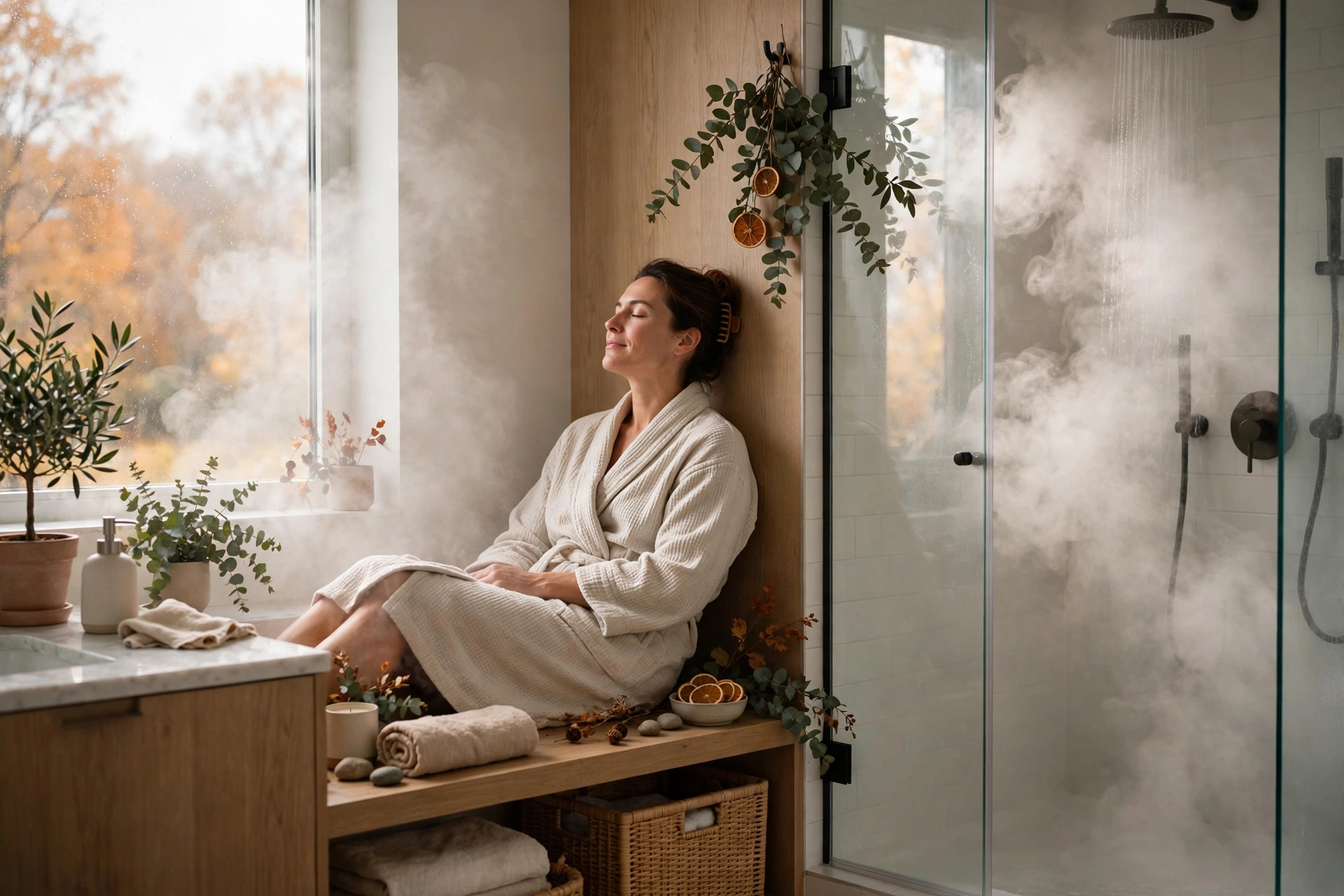
In cold weather, many people use steam as a simple comfort ritual. A steamy bathroom, a warm shower, or a few quiet minutes breathing humid air can feel soothing when your nose feels stuffy. The honest picture is more modest: steam may feel comforting briefly, but evidence that it changes an illness is weak.
Steam inhalation benefits: comfort, not a cure
Steam inhalation simply means breathing warm, humidified air. People traditionally use it when they have a blocked nose, a scratchy throat, or that heavy winter feeling that makes breathing through the nose less pleasant. The warm moisture can make dry passages feel less irritated, and mucus may feel easier to clear after a steamy shower. That comfort is real for many people, even if it is temporary.
It is important to keep expectations gentle. Steam does not kill viruses, cure sinus problems, or reliably shorten a cold. Think of it as a comfort measure, closer to a warm drink or a cosy blanket than to a treatment. If it helps you relax and breathe more comfortably for a while, that may be enough reason to enjoy it safely.
What the evidence really says
The best-known review of heated, humidified air for the common cold looked at six small trials with 387 participants. The results were mixed: one way of analysing the data suggested some benefit, while another found no clear difference. The reviewers rated the evidence as low quality and concluded that it was uncertain whether steam gives meaningful symptom relief.
A larger trial in people with respiratory tract infections also found no measurable advantage from steam advice compared with usual care. Studies differ, so this does not prove steam is useless for everyone, but strong claims are not supported. The fairest summary is: steam may feel soothing, but it has not been shown to reliably reduce symptoms or speed recovery.
Why it can feel helpful
Warm, moist air can counter the dryness that comes from cold outdoor air and central heating. When the nose feels less dry, breathing may feel easier, and thick mucus may seem less stubborn. Sitting quietly in a steamy room also encourages slower breathing and rest, which can make discomfort feel more manageable. Sometimes the ritual itself is part of the benefit.
Safer ways to enjoy warm, humid air
The safest everyday option is usually a steamy bathroom rather than leaning over a bowl of hot water. Run a warm shower, sit nearby where you feel comfortable, and breathe normally for a few minutes. Step out if you feel dizzy, flushed, or irritated.
Plain warm air is enough. Added scents are not necessary, and strong fragrances can irritate some people. If you use a humidifier, follow the maker’s cleaning guidance so the device stays fresh. A warm drink, rest, and regular fluids can sit alongside steam as simple seasonal comforts.
Sensible cautions
Hot water and steam can scald, especially when bowls are carried, tipped, or used around children. Avoid leaning close over boiling water, and never leave children unsupervised with hot water or steam devices. People who find warm air makes breathing feel harder should stop and get appropriate advice. As with any home remedy, seek professional help if symptoms are severe, worsening, unusual, or worrying.
Used gently, steam can be a calm winter ritual: modest comfort, safety first, no miracle promises.
Related reading on Organic Health Fix
- Chicken Soup Benefits: What the Evidence Really Says
- Winter Hydration: Gentle Ways to Drink Enough in Cold Weather
- Warm Foot Bath Benefits: What the Evidence Really Says
Tags: #SteamInhalation #NaturalRemedies #HomeRemedies #SeasonalWellbeing #WellnessTips #EvidenceGuide
Comments
Post a Comment