Opening a jar, carrying shopping, holding a handrail or turning a key can feel harder than it used to. Grip strength is part of everyday life, yet it is easy to overlook until simple tasks take more effort. The good news is that hands and forearms often respond well to gentle, regular practice. This guide looks at what the evidence suggests, with practical home-friendly ideas and sensible cautions. What grip strength benefits really mean Researchers often use grip strength as a simple marker of overall muscle function because it is easy to measure and reflects how well the hands and forearms work together. In studies of adults, stronger grip tends to sit alongside better mobility and an easier time with daily activities. That does not mean a hand exerciser can guarantee any particular health outcome. It does suggest that keeping the hands active is a worthwhile part of a balanced routine , alongside walking, leg strength and balance practice. Many people find the most noticeable ch...
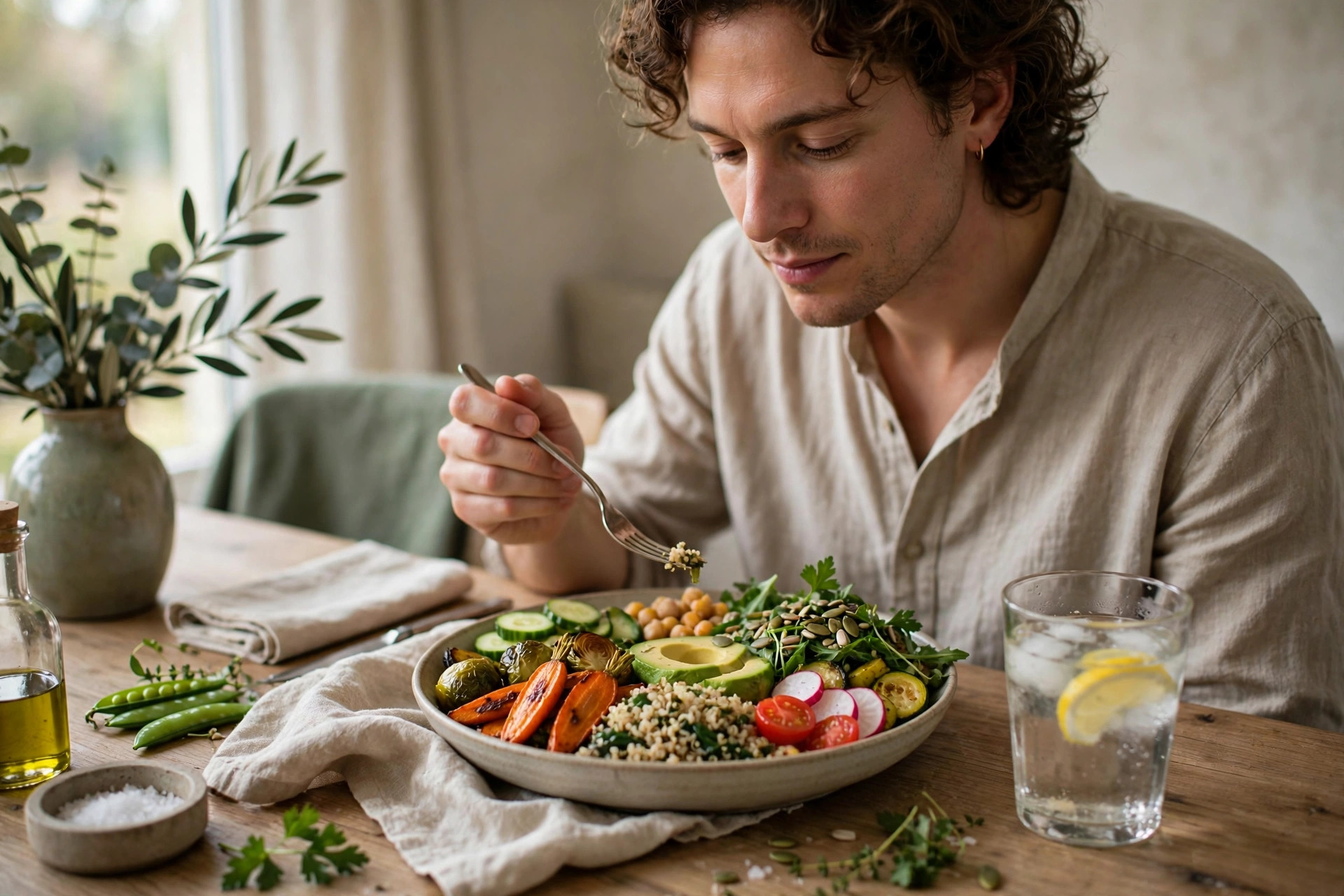
Many of us eat quickly without noticing — a sandwich at a desk or dinner in front of a screen. Slowing down is a simple habit to try at home, and researchers have looked closely at whether pace itself matters. This guide explores slow eating benefits in a balanced way: what studies suggest, where evidence is modest, and how to make meals calmer. This is general wellness information, not medical advice.
Slow Eating Benefits and Fullness Signals
Fullness signals from the gut take time to build, often around 15 to 20 minutes before they fully register. If a meal ends in five or ten minutes, you may eat past comfortable fullness before those signals catch up. Reviews of experimental studies suggest slower eating tends to reduce how much people eat during a test meal, although results vary and hunger afterwards does not always differ. Eating slowly may help some people notice fullness sooner, but it does not guarantee everyone will feel fuller.
Chewing matters too. Smaller bites, chewed thoroughly, give your stomach smaller pieces to handle. Many people find a steadier pace makes meals more enjoyable and easier to remember, which can help with portion awareness later.
What Slower Eating May Mean for Digestion
Digestion begins in the mouth, where chewing and saliva start breaking food down. Eating very fast can mean larger pieces reach the stomach and more air is swallowed. Swallowed air may contribute to burping or gassiness after a rushed meal. Putting cutlery down between bites and swallowing fully before the next bite are gentle ways to reduce that rush.
A calm note on comfort
Slower eating is not a treatment for digestive problems. Persistent bloating, reflux, pain, difficulty swallowing, blood in stools or unexplained weight loss need proper medical assessment. Pace is only one piece of a wider picture that includes what you eat, portion size, stress and sleep.
Simple Ways to Eat More Slowly at Home
You do not need a stopwatch. Try putting your fork down between bites, chewing until food is soft, and sipping water now and then. Eating without a phone, even for the first ten minutes, makes taste and fullness easier to notice. Serving food on a plate rather than eating from packets also helps you see how much you are having.
Sitting down, pausing halfway to ask whether you are still hungry, and sharing meals with conversation can all slow things naturally. Aim for a comfortable pace that still lets you eat enough — the goal is enjoyment, not eating as little as possible.
Gentle Cautions to Keep in Mind
Much evidence comes from short-term studies, so long-term effects are less certain. People who eat quickly often differ in other habits too, making cause and effect hard to separate. If you have diabetes, a history of disordered eating, or a condition where meal timing matters, seek qualified advice before changing routines. For most people, slowing down is a low-risk habit that pairs well with balanced, fibre-rich meals.
Related reading on Organic Health Fix
- Chicken Soup Benefits: What the Evidence Really Says
- Peanut Butter Benefits: What the Evidence Really Says
- Winter Hydration: Gentle Ways to Drink Enough in Cold Weather
Tags: #SlowEating #GutHealth #Nutrition #WellnessTips #HealthyHabits #NaturalRemedies
Comments
Post a Comment