Opening a jar, carrying shopping, holding a handrail or turning a key can feel harder than it used to. Grip strength is part of everyday life, yet it is easy to overlook until simple tasks take more effort. The good news is that hands and forearms often respond well to gentle, regular practice. This guide looks at what the evidence suggests, with practical home-friendly ideas and sensible cautions. What grip strength benefits really mean Researchers often use grip strength as a simple marker of overall muscle function because it is easy to measure and reflects how well the hands and forearms work together. In studies of adults, stronger grip tends to sit alongside better mobility and an easier time with daily activities. That does not mean a hand exerciser can guarantee any particular health outcome. It does suggest that keeping the hands active is a worthwhile part of a balanced routine , alongside walking, leg strength and balance practice. Many people find the most noticeable ch...
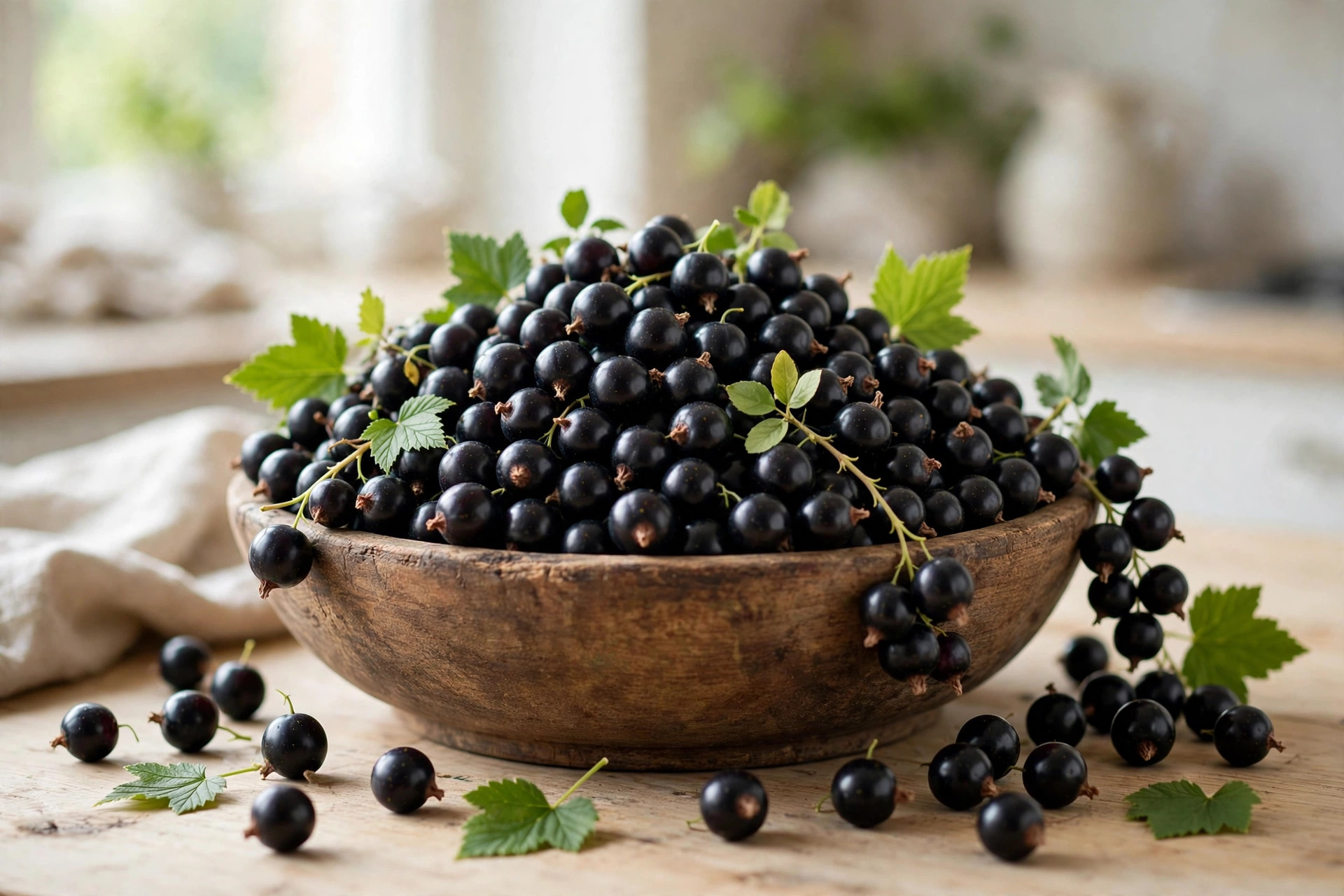
Blackcurrants are easy to overlook. These small, dark berries rarely get the attention that blueberries or raspberries enjoy, yet gram for gram they are among the most nutrient-dense fruits you can buy. A handful delivers more vitamin C than an orange, a deep-purple dose of anthocyanins, and useful fibre — all for very few calories. But which claims does the evidence actually support?
Blackcurrant (Ribes nigrum) is native to northern Europe and Asia, long grown in British gardens and familiar in summer puddings, jams and cordials. The berries are tart and almost black when ripe — their dark pigment comes from anthocyanins, the same plant compounds that colour blueberries and red cabbage.
Blackcurrant Nutrition: What Is Actually Inside?
Food composition data puts blackcurrants at around 180 milligrams of vitamin C per 100 grams — roughly three to four times the amount in the same weight of orange, and about 200% of the adult daily recommended amount. A cup of fresh blackcurrants contains about 63 calories, around 203 milligrams of vitamin C, useful fibre, potassium and iron. Its dominant anthocyanins, delphinidin and cyanidin glycosides, give the berry its deep colour and much of its antioxidant activity.
Blackcurrant Benefits: Vitamin C and Immunity
Vitamin C plays a well-established role in supporting normal immune function and in the formation of collagen, the protein that helps keep skin and connective tissue healthy. Because the body cannot store vitamin C for long, a regular dietary supply matters — and blackcurrants are one of the richest natural sources available. Lab studies show blackcurrant extracts can stop some flu viruses attaching to cells, but this has not been shown to prevent or treat flu in people. Eating blackcurrants regularly is a practical way to top up vitamin C as part of a varied diet.
Eye Health and Screen Strain
Small Japanese studies using blackcurrant anthocyanin capsules have reported faster adjustment to the dark and less eye strain after screen work, and small trials of 300–600 milligram extracts have shown modest improvements in peripheral blood flow. These used concentrated extracts, not the whole fruit, and have not been confirmed in larger trials — but vitamin C, anthocyanins and the carotenoids lutein and zeaxanthin give blackcurrants a plausible role in supporting eye health.
Heart Health, Gut Health and Everyday Eating
The evidence for blackcurrants and heart health is promising but early. A 12-week study of 36 adults found that 320 milligrams of blackcurrant extract daily improved a measure of blood vessel function by 7.4%. On firmer ground, blackcurrants are rich in potassium, which helps regulate blood pressure, and their fibre can support cholesterol management and feed friendly gut bacteria as part of an overall healthy diet.
How to Enjoy Blackcurrants
Fresh blackcurrants are sharp, so most people enjoy them cooked or mixed. Try them in Greek yoghurt or porridge, blended into smoothies, baked into crumbles, or simmered with a little honey into a pancake sauce. Cordial and syrup lose much of the vitamin C in heating and add sugar — the whole fruit is the better choice.
Blackcurrants are safe for most people as a food. If you take blood-thinning medication, tell your pharmacist or doctor about any large increase in berry or supplement intake, as concentrated extracts can affect blood flow. Anyone considering a blackcurrant supplement should speak to a healthcare professional first.
Blackcurrants pack exceptional vitamin C, deep-purple anthocyanins and useful fibre into a low-calorie berry. The strongest claims rest on the nutrition itself; the eye and heart findings come from small trials of extracts. Eaten as part of a varied diet, they add colour and nutrients to everyday meals.
Related reading on Organic Health Fix
- Lemon Benefits: What the Evidence Really Says
- Orange Benefits: What the Evidence Really Says
- Rosehip Benefits: What the Evidence Really Says
Tags: #Blackcurrant #VitaminC #NaturalRemedies #ImmuneHealth #EyeHealth #GutHealth #WellnessTips #Berries
Comments
Post a Comment