Opening a jar, carrying shopping, holding a handrail or turning a key can feel harder than it used to. Grip strength is part of everyday life, yet it is easy to overlook until simple tasks take more effort. The good news is that hands and forearms often respond well to gentle, regular practice. This guide looks at what the evidence suggests, with practical home-friendly ideas and sensible cautions. What grip strength benefits really mean Researchers often use grip strength as a simple marker of overall muscle function because it is easy to measure and reflects how well the hands and forearms work together. In studies of adults, stronger grip tends to sit alongside better mobility and an easier time with daily activities. That does not mean a hand exerciser can guarantee any particular health outcome. It does suggest that keeping the hands active is a worthwhile part of a balanced routine , alongside walking, leg strength and balance practice. Many people find the most noticeable ch...
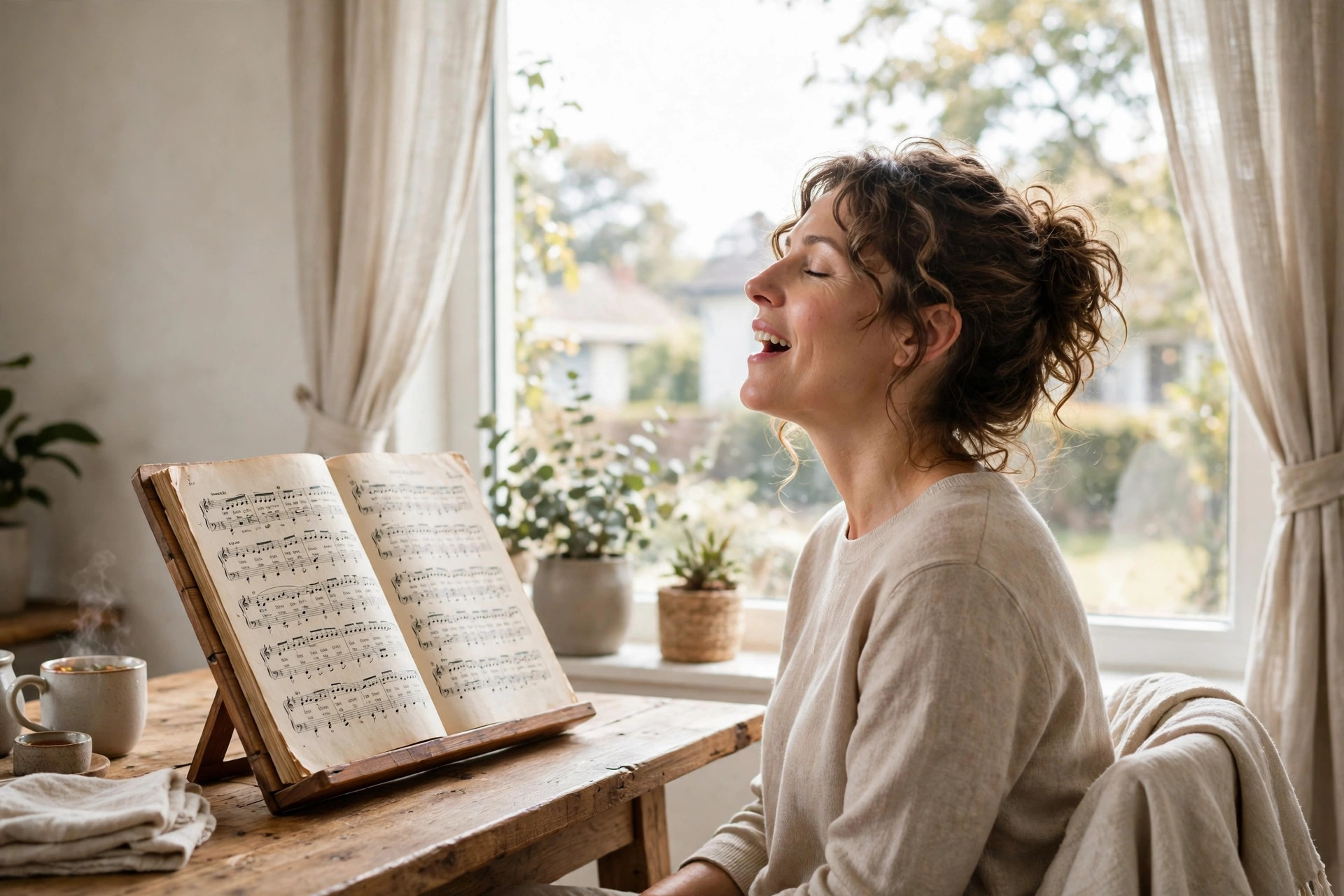
Singing is one of the simplest wellbeing habits to try at home. You do not need a perfect voice, special equipment or a choir to begin. A favourite song in the kitchen, a gentle hum while you tidy, or a short singalong with family can turn an ordinary moment into a small reset. This guide looks at what research suggests about singing benefits, where the evidence is still thin, and how to start gently.
What singing does to your breathing
Singing asks you to breathe in a slower, more controlled way than everyday speech. Phrases are often longer, so the out-breath stretches, and many people notice their shoulders drop as they settle into the rhythm. Slow breathing with a longer exhalation is widely used in relaxation routines, which may help explain why singing can feel calming.
Researchers have also explored singing in programmes for people with breathing difficulties. Reviews describe singing as a practical way to practise breath control and respiratory muscle use, while stressing that it is not a treatment for lung conditions. For general wellbeing, think of singing as enjoyable breathing practice, not therapy.
Singing benefits for mood and everyday calm
Many people say they feel brighter after singing, and studies offer some support for that everyday experience. Small studies of choir singing and group chanting have reported lower stress hormone levels and improved mood after sessions, although findings are mixed and setting matters. Singing in a place that feels safe and unpressured seems important.
Singing also holds attention. Following words, melody and rhythm leaves less room for rumination, a little like a mindful activity. That focus, plus the physical act of making sound, may be part of why a short song can feel like a pause in a busy day. It will not suit everyone, and quiet alternatives are just as valid.
Singing together: connection without pressure
Group singing adds a social layer. Choirs, community groups and informal singalongs bring people together around a shared task, and participants often report a stronger sense of belonging afterwards. You do not need to perform or be judged. In many groups, joining in quietly is enough, and listening between songs is part of the experience.
Gentle ways to start singing at home
Start small. Choose a song you already know well and sing one verse at a comfortable volume. Stand or sit tall, relax your jaw, and let the breath come naturally rather than forcing it. Five unhurried minutes is plenty at first.
Build a gentle routine. Pair singing with a morning cup of tea, a walk around the garden, or an evening tidy-up. Hum first if singing aloud feels daunting. If you enjoy it, try a community choir, an online singalong, or singing with friends. The best routine is the one you will actually repeat.
Sensible cautions and voice care
Keep it comfortable. Stop if your throat hurts, you feel dizzy, or breathing feels strained. Warm up with gentle humming, sip water, and avoid shouting or pushing for high notes. If you have ongoing voice, breathing or health concerns, seek advice from a qualified professional rather than relying on general information.
Singing will not replace sleep, movement, medical care or support from others, but as a free, home-friendly habit it has a lot to offer. Start with one familiar song today and notice how you feel afterwards.
Related reading on Organic Health Fix
- Humming Benefits: What the Evidence Really Says
- Body Scan Meditation Benefits: What the Evidence Really Says
- Hand Massage Benefits: What the Evidence Really Says
Tags: #SingingBenefits #NaturalRemedies #WellnessTips #Breathing #StressRelief #HealthyHabits #Mood
Comments
Post a Comment