A scratchy throat can make an ordinary day feel surprisingly long. That is often when people reach for one of the oldest home rituals of all: a warm salt water gargle. It costs almost nothing, takes a minute to prepare, and many people find the warmth itself soothing. But what do salt water gargle benefits look like when tradition meets research? The honest answer is modest and reassuring: this is best thought of as a comfort measure, not a cure. This guide is general wellness information, not medical advice. Salt water gargle benefits: comfort, not a cure Gargling simply means swishing liquid at the back of the throat and spitting it out. Warm water on its own can feel comforting, rather like a warm drink, and adding a little salt changes the liquid in a way researchers think may help swollen, irritated tissue feel less puffy for a while. Salt water is also thought to help loosen mucus, which may make the throat feel clearer after gargling. It is worth keeping expectations gentle...
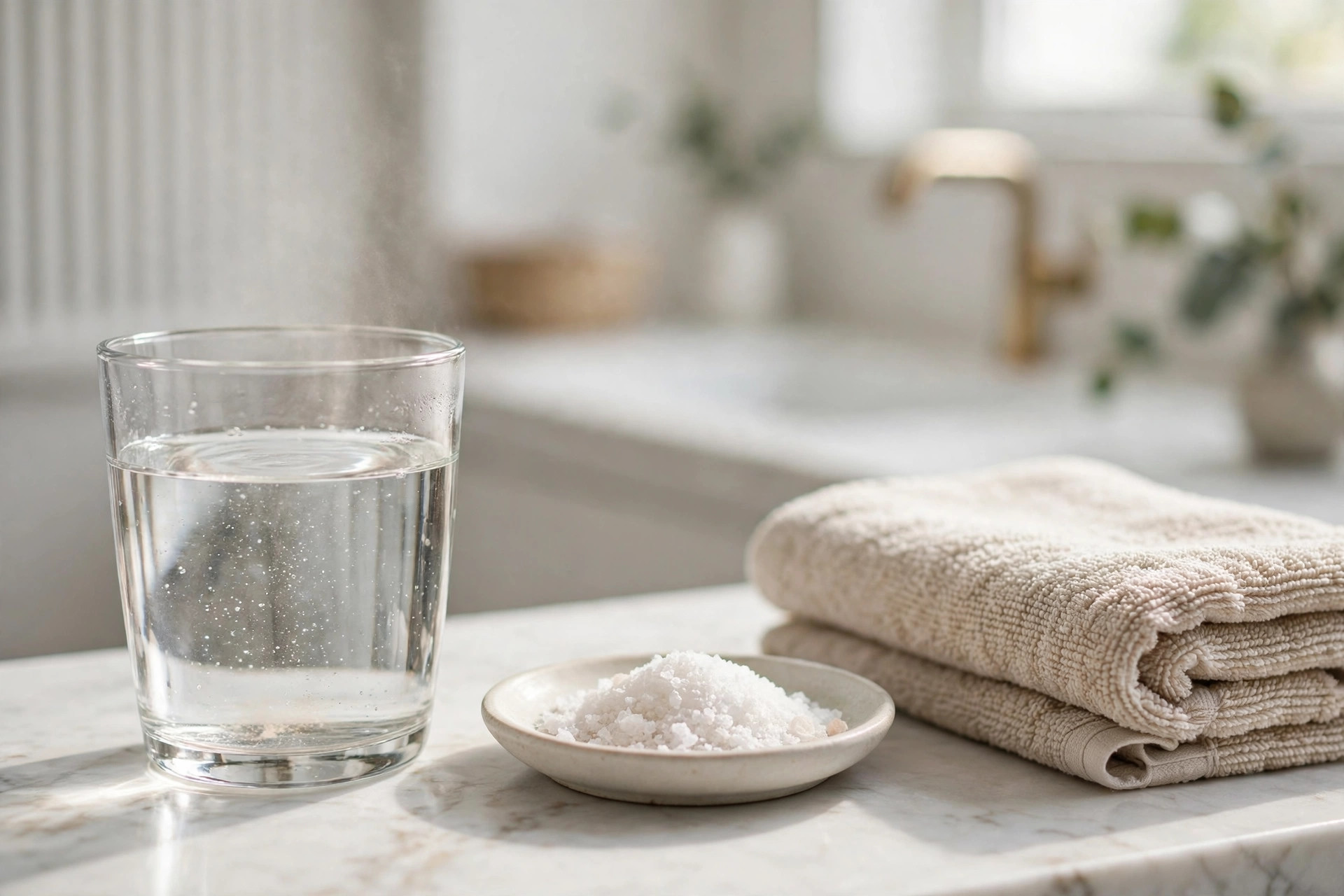
A scratchy throat can make an ordinary day feel surprisingly long. That is often when people reach for one of the oldest home rituals of all: a warm salt water gargle. It costs almost nothing, takes a minute to prepare, and many people find the warmth itself soothing. But what do salt water gargle benefits look like when tradition meets research? The honest answer is modest and reassuring: this is best thought of as a comfort measure, not a cure. This guide is general wellness information, not medical advice.
Salt water gargle benefits: comfort, not a cure
Gargling simply means swishing liquid at the back of the throat and spitting it out. Warm water on its own can feel comforting, rather like a warm drink, and adding a little salt changes the liquid in a way researchers think may help swollen, irritated tissue feel less puffy for a while. Salt water is also thought to help loosen mucus, which may make the throat feel clearer after gargling.
It is worth keeping expectations gentle. A salt water gargle does not cure a cold, and there is no good evidence that it reliably shortens an illness or inactivates viruses. Many people value it because it is simple, familiar and briefly soothing, and that temporary comfort is a perfectly reasonable reason to use it.
What the research suggests
The research base is smaller than the remedy's long history might suggest. One randomised trial of 100 adults with non-bacterial sore throats compared a salt solution gargle with a thymol gargle and found greater reported improvements in pain, difficulty swallowing and throat swelling in the salt group after a week. That is an encouraging result, but it was a single, fairly small study in a specific group, so it should not be read as a guarantee for everyone.
Why warmth and salt may feel soothing
Scientists often explain the effect through osmosis: a salty liquid can draw some fluid out of swollen surface tissue, which may ease the tight, scratchy feeling for a short time. Warmth may also relax the throat area and make mucus feel thinner. These are plausible explanations for comfort, rather than proof that gargling changes the course of an illness.
How people usually make a salt water gargle
A commonly used mixture is about half a teaspoon of table salt dissolved in a glass (around 240 ml) of warm water. The water should feel comfortably warm, never hot. Stir until the salt dissolves, take a mouthful, tilt your head back slightly and gargle gently for around 30 seconds, then spit the liquid out. Repeat until the glass is finished, and avoid swallowing the salty water.
Many people gargle once or twice a day while their throat feels scratchy, often alongside other simple comforts such as warm drinks, rest and a steamy shower. If gargling makes your throat feel more irritated, simply stop; comfort measures should feel comfortable.
Sensible cautions to keep in mind
Gargling suits only people who can gargle and spit safely, so it is not appropriate for young children. Use warm rather than hot water to avoid scalding, and do not swallow the mixture. Because this article is general information, it cannot judge what any individual throat symptom means.
Seek professional medical advice promptly if symptoms are severe, worsening or persistent, or if swallowing or breathing becomes difficult. A home remedy should sit alongside sensible care, never replace it. Used with those limits in mind, a salt water gargle remains a calm, low-cost ritual that many people find genuinely soothing on a scratchy-throat day.
Related reading on Organic Health Fix
- Steam Inhalation Benefits: What the Evidence Really Says
- Chicken Soup Benefits: What the Evidence Really Says
- Winter Hydration: Gentle Ways to Drink Enough in Cold Weather
Tags: #SaltWaterGargle #NaturalRemedies #HomeRemedies #WellnessTips #SeasonalWellbeing #ThroatComfort
Comments
Post a Comment